FACUNDO HERRERA
BRAND
STORY.
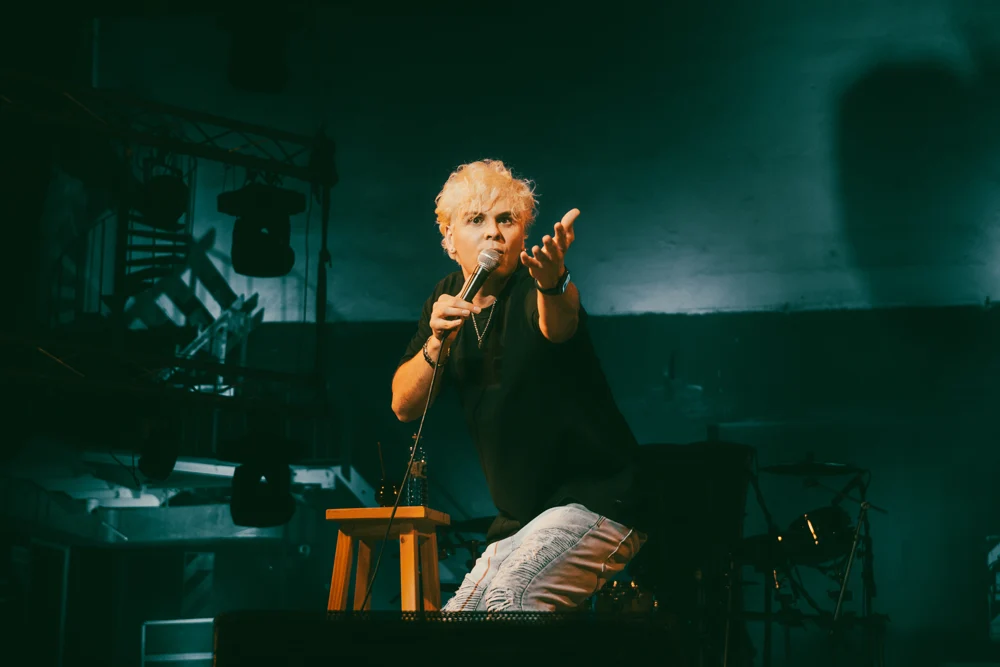


Facundo Herrera learned early how to read a room.
Growing up in Argentina, he often felt slightly out of place. He paid close attention to people, adapted quickly and looked for ways to connect. Along the way, he discovered that humour could shift the mood of a room and create familiarity where there had been distance.
At eighteen, he found theatre. It gave form to the characters, emotions and contradictions he had been observing. What had started as a way of navigating the world became a way of performing in it.
Since then, Facundo has built a career across comedy, acting, writing, producing, music and screen work, performing throughout Latin America, North America and Australia.
His stand-up has reached audiences of up to 9,000 people and taken him to venues including YouTube Theater in Los Angeles, the Hollywood Pantages Theatre, Honda Center in Anaheim and The Comedy Store in Sydney. He has opened for Franco Escamilla on tour and appeared on Tom Segura’s podcast.
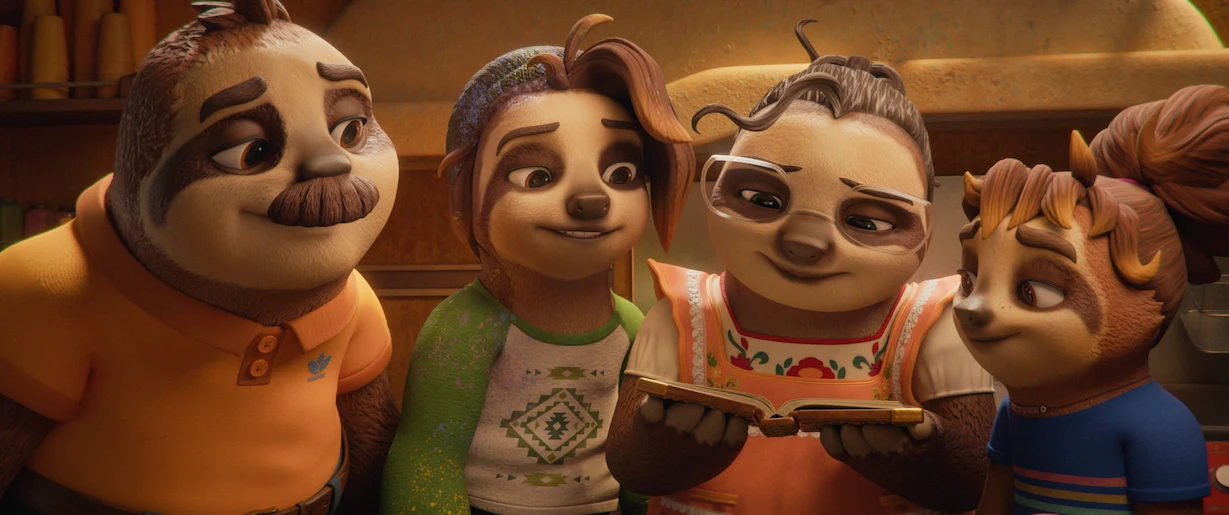
Beyond stand-up, Facundo has worked as an actor and voice performer, including a role in the animated feature A Sloth Story alongside Leslie Jones. He has released music through Warner Music, collaborated with brands including Mountain Dew and LAVA Music, and developed his own projects as a filmmaker, producer and creative director.
His work has never fitted neatly into one category.
Comedy remains at its centre, while film, theatre, acting, music and writing give him different ways to explore the same ideas. Kundøh occasionally appears within that work as an alter ego used for selected projects and experiments. It is one part of Facundo’s creative vocabulary, while Facundo Herrera remains the artist and central identity.
His perspective has been shaped by moving between countries, cultures and languages. His work carries an Argentine and Latin sensibility without relying on a fixed idea of what a Latin artist should be. He can move between Spanish and English, comedy clubs and theatres, live performance and film, while still feeling like the same artist.
Across those different formats, the relationship with the audience remains simple. Facundo notices something strange, uncomfortable or absurd, and the audience recognises it too.
You saw that too.
Sometimes that recognition leads somewhere deeper. Sometimes it is simply a good joke.
Becoming a father has made Facundo more deliberate about the work he creates and what he will leave behind. It has not removed the stupidity, failure, ego or risk from the work. It has simply given the work a longer horizon.
The next chapter is not about inventing another version of Facundo Herrera. It is about bringing the different parts of his work together and building something that can travel across formats, languages and countries without losing its identity.
Facundo spent much of his early life learning how to find a place in the world.
Now he is creating one on his own terms.